






Великі пляжні парасольки: як правильно вибрати для захисту від сонця
Опублікував Адміністратор
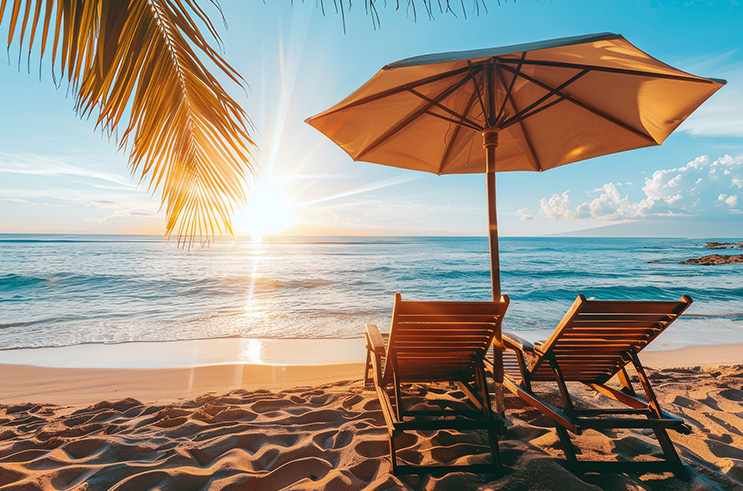
Великі пляжні парасольки перевершують стандартні розміри майже в будь-якій ситуації
Якщо ви проводите цілий день на пляжі з родиною чи друзями, стандартна 6-футова парасолька просто не підійде. Великий пляжні парасольки — зазвичай діаметром від 7,5 до 10 футів — забезпечують на 40–60 % більше покриття тіні, ніж компактні моделі , що означає менше сонячних опіків, нижчу температуру шкіри та більш комфортний вечір на свіжому повітрі. Це основна причина, чому люди оновлюють: сирий, придатний для використання відтінок.
Різниця стає очевидною, коли ви підраховуєте. 6-футова парасолька покриває приблизно 28 квадратних футів землі. 9-футова парасолька займає близько 64 квадратних футів — більше ніж удвічі. Це розрив між одним дорослим, який зручно лежить, і сім’єю з чотирьох осіб, яка вміщається під одним навісом, не штовхаючи один одного ліктями. Для будь-кого, хто хоч раз сидів наполовину на сонці через те, що його парасолька була замалою, ця різниця нетривіальна.
За межами тіні, великі пляжні парасольки, як правило, виготовлені з більш міцних матеріалів. Стовпи товщі, тканина навісу щільніша, а вентиляційні системи міцніші. Ви не просто купуєте більше тіні — ви часто отримуєте більш міцний продукт, який витримує вітер і служить кілька сезонів.
Що насправді означає «великий»: розподіл пляжних парасольок за розмірами
Розміри пляжних парасольок можуть заплутати, тому що виробники вимірюють діаметр купола, а не фактичний відбиток на землі. Кут нахилу та положення сонця впливають на те, скільки тіні ви отримаєте. Ось пряма розбивка того, що різні розміри забезпечують на практиці:
| Діаметр навісу | Приблизна площа тіні | Найкраще для |
|---|---|---|
| 6 футів | ~28 квадратних футів | 1–2 дорослих, індивідуальні поїздки |
| 7,5 футів | ~44 квадратних футів | 2–3 дорослих, пари зі спорядженням |
| 9 футів | ~64 квадратних футів | Сім'ї з 3-5 осіб, групові прогулянки |
| 10 футів | ~78 квадратних футів | Великі групи, комерційне використання |
Для більшості сімей, 9-футова пляжна парасолька - це солодке місце — достатньо великий, щоб накрити кілька стільців і кулер, але все одно його можна нести і садити в пісок одній людині. Все, що перевищує 10 футів, починає вимагати двох людей для встановлення та може боротися за помірного вітру без обважненої основи чи піщаного якоря.
Тканина для балдахіна: рейтинг UPF – це найважливіше число
Не всі тканини для пляжних парасольок блокують однакову кількість ультрафіолетового випромінювання. Дешева парасолька з тонкого поліестеру може виглядати добре, але пропускає значну кількість ультрафіолетового світла. Купуючи великі пляжні парасольки, завжди звертайте увагу на рейтинг UPF (фактор захисту від ультрафіолету) на матеріалі куполу.
- UPF 50 — Блокує 98% або більше УФ-променів. Це золотий стандарт захисту від сонця, який дерматологи рекомендують для тривалого перебування на відкритому повітрі.
- UPF 30–49 — Блокує 96–97% УФ-випромінювання. Прийнятний для випадкового використання, але не підходить для пляжних сесій протягом усього дня.
- UPF нижче 30 — Забезпечує мінімальний захист. Сюди потрапляє багато дешевих або модних пляжних парасольок. Уникайте цього, якщо захист від сонця є пріоритетом.
Поліестерові та акрилові тканини з покриттям або пофарбовані розчином, як правило, з часом зберігають свій рейтинг UPF краще, ніж пофарбовані зануренням або тканини з набивним малюнком, які можуть вицвітати та втрачати ефективність після одного-двох сезонів впливу ультрафіолету та контакту з морською водою. Міцний оксфордський поліестер із сріблястим або світловідбиваючим шаром є популярною конструкцією високоякісних великих пляжних парасольок, оскільки він поєднує захист UPF 50 із відбиттям тепла, зберігаючи температуру під навісом помітно нижчою.
Один практичний тест: піднесіть тканину до яскравого світла. Якщо ви бачите значну кількість світла, що проходить, захист від УФ-променів, ймовірно, недостатній. Якісна тканина для балдахіна має виглядати майже непрозорою.
Матеріали стовпів і стійкість до вітру: чому це ігнорується
Навіс привертає найбільшу увагу, коли люди купують пляжні парасольки, але система стовпів і каркаса не менш важлива, особливо для великих навісів. Велика пляжна парасолька, що вловлює вітер, створює значну бічну силу. Дешеві жердини гнуться, ламаються або висмикуються з піску, що не тільки дратує, але й справді небезпечно.
Порівняння матеріалу стовпа
- Сталеві стовпи: Дуже міцні та доступні, але вони іржавіють, якщо покриття відколюється. Шукайте покриття з порошковим покриттям або оцинковане покриття. Найкраще підходить для регулярного використання на пляжі, де вага не викликає проблем.
- Алюмінієві стовпи: Легкий і стійкий до корозії. Кращий вибір для більшості споживачів. Морський алюміній (сплав 6061) пропонує найкраще поєднання міцності та стійкості до іржі для середовища з морською водою.
- Склопластикові стовпи: Гнучкий і надзвичайно вітростійкий. Використовується в деяких моделях преміум-класу, розроблених для прибережних умов із сильним вітром. Важчий за алюміній, але більш стійкий до поривів.
Діаметр стовпа також має значення. Пляжна парасолька довжиною 9 футів або більше повинна мати жердину діаметром не менше 1,5 дюйма . Все, що тонше на великому куполі, є компромісом. Стовп також повинен мати механізм нахилу — або кнопку, або гвинтовий комір — який дозволяє нахиляти купол у бік сонця, коли воно рухається протягом дня.
Вентиляційні системи
Великі пляжні парасольки особливо вразливі до вітру. Купол із подвійною вентиляцією — де верхня секція має допоміжний менший купол над нею з повітряним зазором — дозволяє вітру проходити, а не ловити знизу. Така конструкція значно зменшує ймовірність того, що парасолька буде діяти як вітрило та або перекинеться, або злетить у повітря. З точки зору безпеки на пляжі, незакріплена велика парасолька під час сильного пориву вітру є справжньою небезпекою поранення. Подвійна вентиляція не є розкішшю; на великому навісі це функція безпеки.
Кріплення великих пляжних парасольок: піщані анкери проти спіральних кіл
Не слід пропускати правильну посадку великої пляжної парасольки. Щороку відвідувачі пляжу отримують травми від неправильно закріплених парасольок, які перехиляються або здуваються. У 2016 році Комісія з безпеки споживчих товарів США підрахувала, що через нещасні випадки з пляжною парасолькою щорічно до відділень невідкладної допомоги потрапляє приблизно 2800 людей, а більші навіси становлять більший ризик вітрового навантаження.
Стандартна гостра жердина
Більшість великих пляжних парасольок мають загострену нижню жердину, призначену для штовхання та закручування у вологий пісок. Техніка має значення: штовхніть під невеликим кутом (приблизно 30 градусів на вітер), поверніть вниз принаймні на 18 дюймів у глибину, а потім відрегулюйте майже вертикально після посадки. Цього достатньо для тихих і помірних вітрових умов на утрамбованому вологому піску.
Спіральні піщані анкери
Піщані анкери у формі спіралі або штопора вкручуються безпосередньо в сухий або сипучий пісок і тримаються набагато надійніше, ніж прямий шип. Якісний спіральний якір може збільшити силу утримування в 3-5 разів порівняно з прямою жердиною в сухому піску. Вони недорогі (зазвичай 15–30 доларів), і їх варто додати до будь-якої великої пляжної парасольки. Зараз багато брендів пляжних парасольок преміум-класу продають відповідні спіральні анкери як аксесуари.
Зважені базові системи
Для використання на твердих поверхнях, таких як дощаті тротуари, бетонні внутрішні дворики або кам’янисті пляжі, необхідна заповнювана обтяжена основа. Ці основи вміщують від 50 до 100 фунтів піску або води та затискаються навколо стовпа. Вони більш поширені в комерційних умовах, але деякі сім’ї використовують їх для узгодженості на різних пляжних поверхнях. Зауважте, що зважені основи на піску менш стабільні, ніж правильно просвердлений спіральний анкер, оскільки вони розташовані на поверхні, а не всередині неї.
Основні характеристики, на які варто звернути увагу, купуючи великі пляжні парасольки
Після основ розміру, тканини, стовпа та кріплення кілька інших особливостей відрізняють пляжну парасольку, яка розчаровує, від тієї, яка стає надійним сезонним продуктом. Ось чому досвідчені відвідувачі пляжу постійно віддають перевагу:
- Нахил на 360 градусів: Механізм нахилу, який працює в усіх горизонтальних напрямках, дає змогу переслідувати тінь протягом дня, не змінюючи положення жердини. Деякі дешевші моделі нахиляються лише по одній осі, що обмежує використання під час руху сонця.
- Сумка для перенесення з плечовим ременем: 9-футова парасолька разом із жердиною може важити 8–12 фунтів. Без належної сумки транспортування від паркінгу до пляжу стає справжньою незручністю. Шукайте м’яку сумку з плечовим ременем, а не тільки з рукавом.
- Надійне кріплення купола: Панелі навісу слід пришивати, а не просто приклеювати до ребер. Перевірте втулку — центральну металеву деталь — на суцільне лиття, а не на тонкий штампований метал. Поломка ребра на втулці є найпоширенішою точкою поломки пляжних парасольок після кількох сезонів.
- Стійке до іржі обладнання: Кожен болт, гвинт і заклепка повинні бути виготовлені з нержавіючої сталі або алюмінію з покриттям. Морська вода швидко роз’їдає стандартну сталеву фурнітуру, що призводить до застрявання механізмів і руйнування конструкції протягом сезону або двох.
- Розкриття рейтингу вітру: Деякі виробники вказують рівень вітру (наприклад, до 30 миль/год). Це корисна точка даних під час порівняння моделей. Великий навіс без будь-яких розкриття рейтингу вітру є червоним прапором.
- Бічні панелі або кріплення для штор: Невелика кількість пляжних парасольок преміум-класу включає додаткові бічні штори або вітрозахисні панелі. Вони розширюють сонячне покриття під меншими кутами сонця — корисно рано вранці або пізно вдень, коли УФ-індекс все ще значний.
Діапазон цін і те, що ви насправді отримуєте на кожному рівні
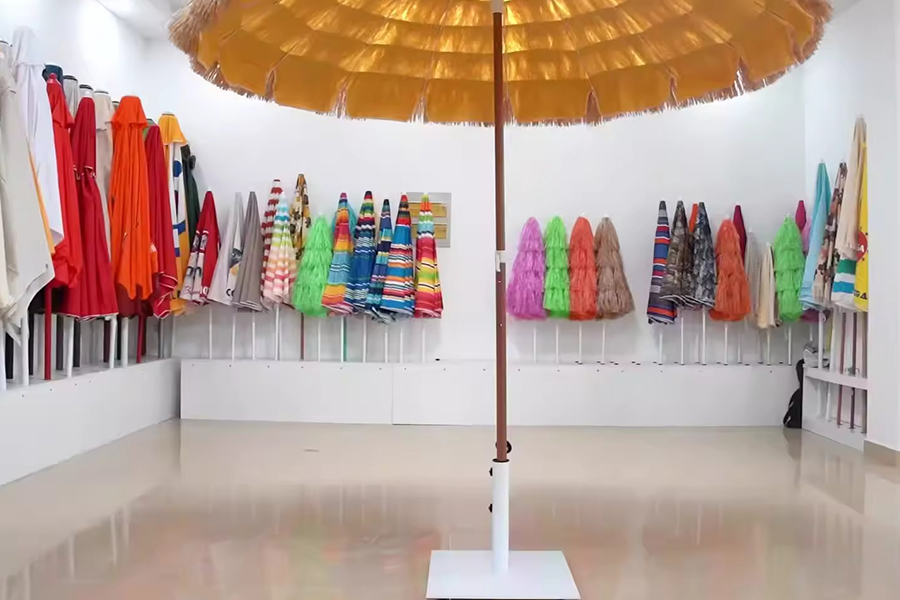
Ціни на великі пляжні парасольки варіюються в широкому діапазоні від 40 до 300 доларів. Відмінності реальні, а не лише маркетингові. Ось чіткий розподіл того, що зазвичай забезпечує кожен рівень:
| Ціновий діапазон | Типовий розмір | Очікувана тривалість життя | Ключові компроміси |
|---|---|---|---|
| Менше 50 доларів | 6–7,5 футів | 1 сезон | Тонкі палиці, без рейтингу UPF, стандартний нахил або відсутність |
| 50–100 доларів | 7,5–9 футів | 2-3 сезони | UPF 50, алюмінієвий стовп, базовий нахил, один вентиляційний отвір |
| 100–200 доларів | 9 футів | 4-6 сезонів | Подвійна вентиляція, нахил на 360°, посилена втулка, сумка для перенесення |
| 200 доларів США | 9–11 футів | 7 сезонів | Конструкція морського класу, гарантія, вітрозахисний, міцний якір включено |
Для сім’ї, яка ходить на пляж 10 або більше разів за літо, витратити $120–$160 на якісну 9-футову пляжну парасольку є рентабельним протягом трьох-чотирьох років порівняно з заміною моделі за $45 щосезону. Математика зазвичай сприяє одноразовій покупці в середньому або вище.
Найкращі великі пляжні парасолі за варіантами використання
Замість того, щоб перераховувати загальні найкращі варіанти, корисніше підібрати тип парасольки до конкретних ситуацій. Потреби суттєво відрізняються між особами, які приймають сонячні ванни, сім’єю з маленькими дітьми та групою, яка орендує шезлонги на день.
Для сімей з маленькими дітьми
Практичним вибором є 9-футова модель із тканини UPF 50, купола з подвійною вентиляцією та спірального піщаного анкера. Дитяча шкіра більш вразлива до ультрафіолету, тому якість захисту не підлягає обговоренню. Шукайте навіс, який розташований досить низько, щоб закривати сонце під низьким кутом, не вимагаючи постійного регулювання. Такі бренди, як Sport-Brella та лінійки Tommy Bahama з великим куполом, часто називають надійними характеристиками в цій категорії.
Для вітряного прибережного середовища
На відкритих пляжах узбережжя Атлантичного або Тихого океанів, де швидкість вітру вдень зазвичай перевищує 20 миль/год, надавайте перевагу опору вітру понад усе. Конфігурація, яка витримає ці умови, має скловолоконний ребристий купол з подвійною вентиляцією на товстій алюмінієвій опорі (мінімум 1,5 дюйма) зі спіральним анкером. Уникайте великих плоских навісів без вентиляційних отворів — вони діють як вітрила і вийдуть з ладу під час сильного вітру незалежно від якості жердини.
Для груп і занять на весь день
Групам із п’яти чи більше осіб потрібна або одна 10-футова парасолька, або дві добре розміщені 9-футові моделі. Для сеансів, що тривають цілий день, необхідним є механізм нахилу на 360 градусів — без нього ви будете переставляти парасольку кожні пару годин, поки сонце проходить по небу. Модель із жердиною з регульованою висотою (телескопічна на висоті щонайменше 7,5 футів над рівнем землі) також дозволяє краще розташувати купол, коли сонце високо над головою.
Для компактних подорожей і портативності
Деякі великі пляжні парасольки складаються з двох або трьох частин, які поміщаються в компактну сумку довжиною менше 24 дюймів. Якщо ви летите до пляжу або маєте обмежений простір для автомобіля, зверніть увагу на цю функцію. 7,5-футова парасолька в двосекційній жердині зазвичай є найбільшим розміром, який залишається справді портативним для подорожей. Перехід до 9 футів у відривній жердині додає значної ваги та довжини сумки, що починає ставати незручним.
Технічне обслуговування та зберігання: довговічність великої пляжної парасольки
Більшість великих пляжних парасольок, які рано виходять з ладу, стають це через недбалість після використання, а не через будь-який виробничий дефект. Пісок і сіль є абразивними та корозійними. Кілька простих звичок значно подовжують термін служби парасольки.
- Обполосніть свіжою водою після кожної поїздки на пляж. Сіль кристалізується в тканині та навколо металевих з’єднань, спричиняючи деградацію тканини та замерзання механізмів нахилу. Швидка промивка шланга займає дві хвилини та запобігає більшості несправностей, пов’язаних із корозією.
- Перед зберіганням повністю висушіть. Складання вологого балдахіна в сумку сприяє розвитку цвілі, яка залишає плями на тканині та послаблює шви. Відкрийте парасольку в затіненому місці після ополіскування та дайте їй повністю висохнути на повітрі, перш ніж поміщати в пакет.
- Щороку перевіряйте ребра і втулку. Перед початком сезону повністю відкрийте парасольку та перевірте кожне ребро на наявність вигинів або тріщин, а також перевірте втулку на наявність люфту чи хитання. Невеликі проблеми, виявлені рано, можна виправити; якщо їх ігнорувати, вони призводять до руйнування конструкції в найгірший момент.
- Змастіть механізм нахилу. Невелика кількість силіконового спрею на комір нахилу або кнопковий механізм один раз за сезон забезпечує його безперебійну роботу та запобігає заїданню корозії, що унеможливлює регулювання нахилу після літнього впливу солі.
- Зберігайте горизонтально або в сумці для перенесення, не притуляючи до стіни. Прихилення великої парасольки до стіни під час зберігання створює навантаження на стовп у точці контакту з мішком і може спричинити незначні вигини, які з часом погіршать стабільність.
При базовому догляді 9-футова пляжна парасолька середнього класу має прослужити п’ять або більше сезонів регулярного використання. Моделі преміум-класу зі сталлю з порошковим покриттям або морським алюмінієм можуть реально прослужити десятиліття за умови належного обслуговування.
Поширені помилки, які люди роблять із великими пляжними парасольками
Навіть досвідчені пляжники повторюють ті самі помилки, яких можна уникнути. Ці помилки знижують ефективність і термін служби пляжних парасольок або створюють загрозу безпеці.
- Не нахиляючи жердину на вітер. Встановлення жердини прямо вгору дає парасольці максимальну площу вітрила. Кут на 20–30 градусів проти вітру значно зменшує зусилля, яке намагається перекинути. У більшості інструкцій про це згадується, але це регулярно ігнорується.
- Посадка в сухий сипучий пісок. Сухий пісок майже не забезпечує зчеплення. Стовп у сухому піску над лінією припливу потребує спірального якоря, інакше його перекине помірний порив. Завжди закріплюйте у вологому піску, якщо це можливо, або використовуйте гвинтовий анкер у сухих умовах.
- Залишати без нагляду розкриту парасольку. Якщо ви йдете з пляжу навіть на годину, закрийте і зніміть парасольку. Умови вітру швидко змінюються, і відкрита парасолька без нагляду є загрозою як для вашого майна, так і для відвідувачів пляжу поблизу.
- Припускаючи, що тінь дорівнює повному захисту від ультрафіолету. Тінь під пляжною парасолькою значно зменшує пряме ультрафіолетове опромінення, але відбите УФ від піску та води все одно досягає шкіри. Пісок відбиває до 25% УФ-випромінювання. Сонцезахисний крем залишається необхідним навіть під високоякісним навісом UPF 50.
- Купівля виключно за ціною. Найдешевша велика пляжна парасолька рідко є вигідною. 9-футова парасолька за 35 доларів майже напевно має жердину, яка згинається при помірному вітрі, і тканину, яка забезпечує мінімальний захист від ультрафіолету. Вартість лікування сонячних опіків або заміни парасольки під час подорожі зазвичай перевищує економію.
Зв’яжіться з нами зараз
Telif Hakkı 2024 @ Shaoxing Jinqiao Umbrella Co., Ltd. Tüm Hakları Saklıdır.
